
Acrylic Film (PMMA Film)
Kaixin KX-AZ11 acrylic film delivers over 91% light transmittance, low haze, excellent optical uniformity, and versatile processing compatibility for optical, decorative, lighting, and INS automotive interior applications.
High-Performance Acrylic Film for Optical and Decorative Applications
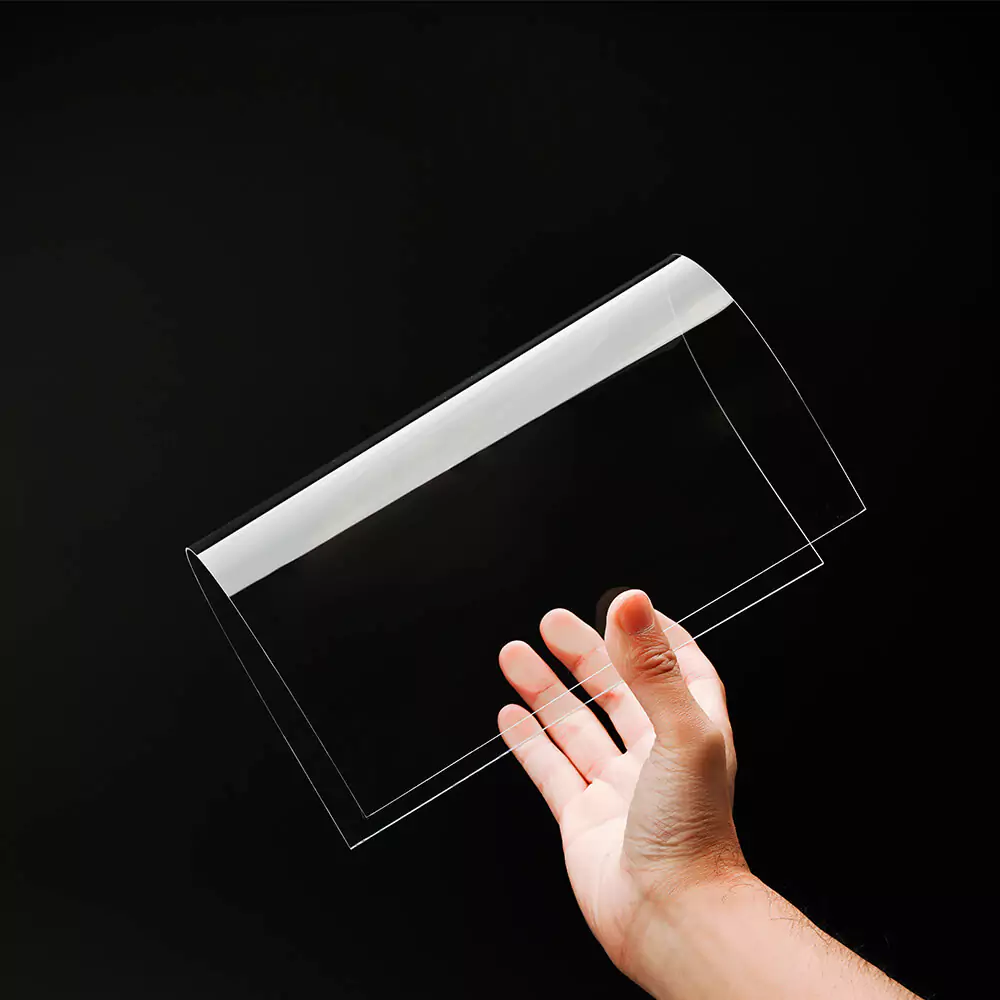
Our high-performance acrylic film series KX-AZ11 delivers exceptional optical transmittance (>91%), stable physical properties, and excellent processing compatibility. With thickness options ranging from 2.0mm to 4.0mm, it comprehensively addresses diverse customer demands, from lightweight construction and high-transparency applications to weather resistant solutions and aesthetic design requirements.
Product Specifications
| Product Series | KX-AZ11 Acrylic Film Series |
|---|---|
| Material | Optical-grade acrylic film / PMMA film |
| Light Transmittance | > 91% depending on thickness |
| Haze | < 1% |
| Thickness Range | 0.075–4.0mm |
| Standard Thickness Options | 0.075mm, 0.25mm, 0.375mm, and 0.5mm |
| Roll Specifications | Maximum width 1360mm; standard length 300m for thickness ≤0.5mm |
| Sheet Specifications | Standard size 1270mm × 1000mm; custom dimensions available |
| Surface Treatment Options | Anti-glare (AG), anti-reflection (AR), anti-fingerprint (AF), hard coat (HC), and anti-scratch options |
| Processing Compatibility | Screen printing, offset printing, UV inkjet printing, precision cutting, heat bending, vacuum forming, compression molding, and back-injection molding |
| Typical Applications | Nameplates, signages, functional panels, lighting components, display interfaces, touch panels, and INS automotive interior decoration |
Advantages
High Light Transmittance
Visible light transmission exceeding 91% (varies by thickness), ensuring true color reproduction and sharp information display in applications like lighting and displays.
Ultra-Low Haze (Haze <1%)
Minimizes light scattering for enhanced image sharpness, clarity, and wider viewing angles—delivering premium performance in demanding visual systems.
Superior Optical Uniformity
Consistent refractive index prevents localized hotspots or chromatic aberrations, critical for high-precision applications such as optical light guides and touch panels.
Versatile Surface Treatments
Anti-Glare (AG): Reduces surface reflections to improve readability in outdoor/strong-light environments.
Anti-Reflection (AR): Boosts transmittance while minimizing glare interference.
Anti-Fingerprint (AF): Repels smudges for easy cleaning, enhancing user experience and visual cleanliness.
Hard Coat (HC): Reinforces scratch resistance to extend product lifespan.
Application Fields
Nameplates & Signages
Acrylic film delivers vibrant patterns and crisp text on nameplates through its high light transmittance and superior gloss, significantly enhancing visual impact. Its exceptional weather resistance ensures long-term UV and climate resilience, preventing color fading. The smooth surface excels in screen printing and UV inkjet applications, guaranteeing durable adhesion and precise detailing. Optional hard coating (HC) treatment further boosts scratch resistance for extended product lifespan.
Functional Panels
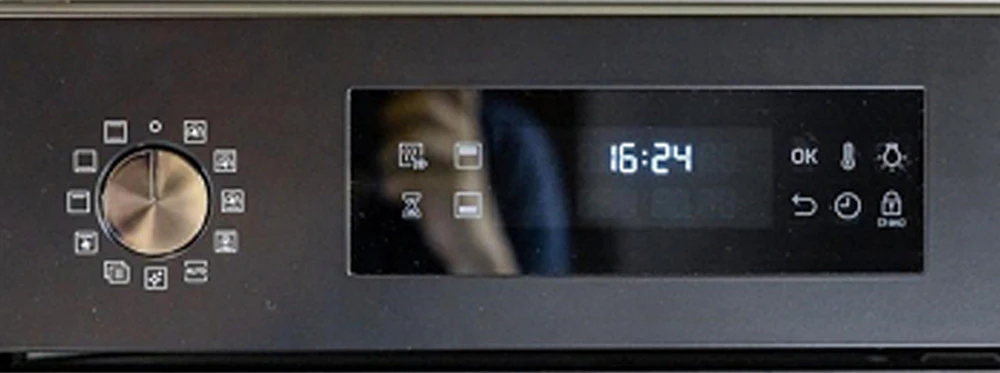
With high optical clarity, acrylic film ensures bright, clear display interfaces for optimal user experience. Outstanding print compatibility supports screen, offset, and digital printing, achieving vivid colors and accurate details. Hard coating reinforces abrasion resistance for industrial durability. Excellent thermoforming capabilities (heat bending, vacuum forming etc.) enable complex 3D designs. Custom anti-fingerprint (AF) and anti-reflection (AR) coatings enhance tactile comfort and aesthetic appeal.
Lighting Applications
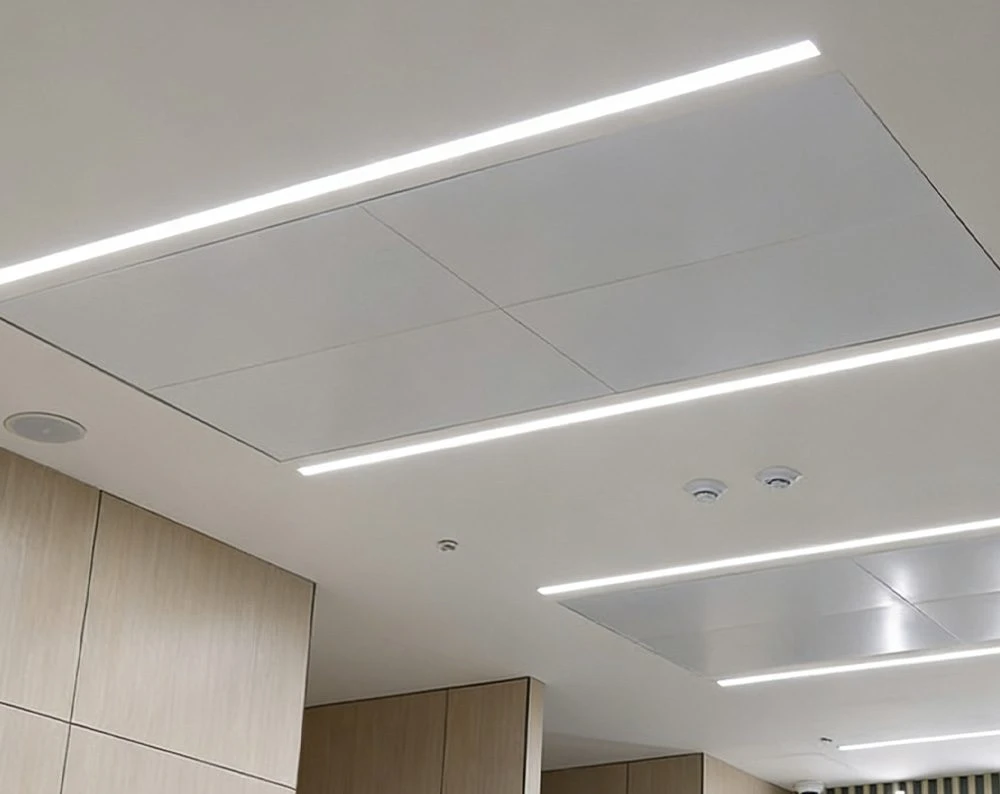
In lighting systems, acrylic film provides uniform, glare-free diffusion with >91% transmittance and <1% haze, elevating illumination quality. Stable refractive index ensures consistent light paths for optical components like light guides. Advanced thermoforming supports vacuum molding and heat bending for diverse lampshades and decorative structures. Customizable anti-glare (AG) treatments meet specific haze requirements while improving visual comfort.
Acrylic Film for INS Automotive Interior Applications
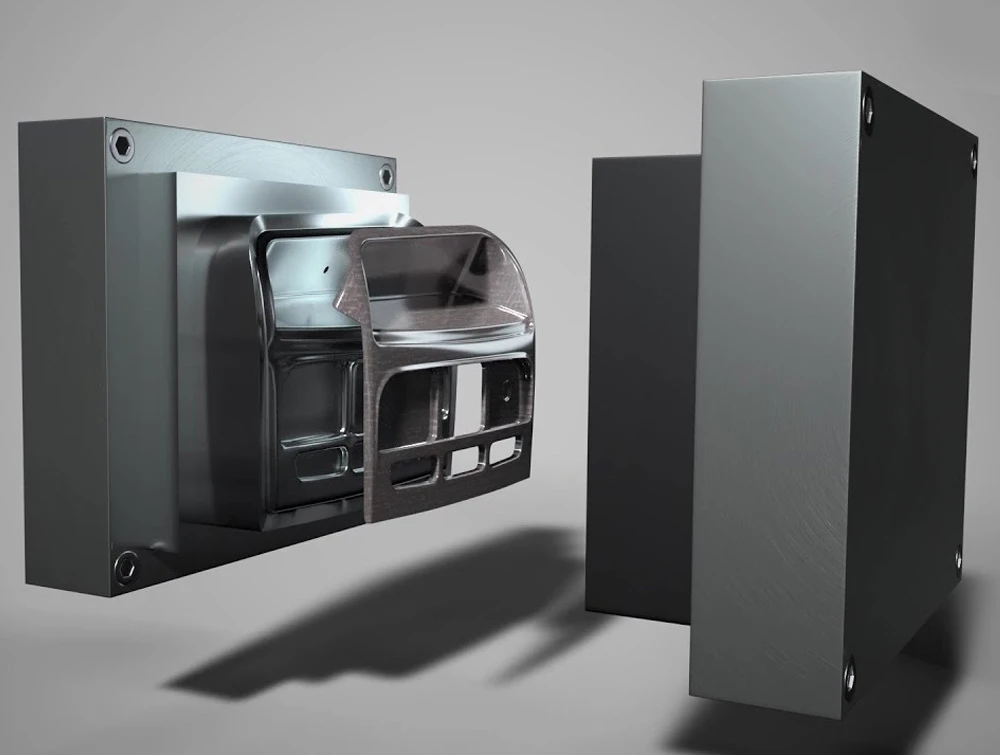
INS (Insert Mould Decoration) is an integrated surface decoration technology combining thermoforming and injection molding. This process achieves seamless integration of patterns, textures, and structural components by precisely positioning decorative films within molds, followed by simultaneous molding with injected resin. INS technology delivers not only environmental sustainability and efficiency but also guarantees consistent decorative surfaces with premium visual quality.
In this process, the performance of surface films directly determines the end product’s aesthetics and durability. Kaixin acrylic film is engineered specifically for INS applications, featuring exceptional thermoforming stretchability, high transparency, and outstanding chemical resistance, delivering critical support for automotive interior components.
Material Structure and Process Compatibility
Acrylic films for INS applications typically feature a multi-layer composite structure with the following configuration:
Surface Layer:
High-wear-resistant PMMA substrate with Hard Coat (HC) or Anti-Scratch (AS) coating to enhance scratch/corrosion resistance.
Intermediate Layer:
Decorative printed layer supporting diverse patterns/textures (brushed metal, carbon fiber, wood grain, etc.) for customized aesthetics.
Backing Layer:
Primer coating engineered for strong adhesion to injection resins (PC/ABS, PP,etc.), ensuring bonding strength and molding stability.
This architecture delivers:
Superior ink adhesion and thermoforming stability
Compatibility with back-injection molding (120°C–150°C) across multiple resins (PC, PC+ABS, ABS)
Guaranteed structural integrity and premium decorative outcomes
Data Sheet
| Specification | Parameter | Remark |
|---|---|---|
| Thickness Range | 0.075–2mm | The thickness can be selected based on the 3D molding depth and the dimensions of the injection molded parts. |
| Width | 930 / 1220mm | Width can be customized, and the material can be supplied in rolls or cut into sheets. |
| Printing Process Compatibility | UV screen printing, transfer printing, spraying | Allows for a variety of aesthetic designs. |
| Temperature Resistance | 70–90°C | Suitable for continuous use at 70–90°C. |
The Key Performance Requirements for Acrylic Films Used by INS
| Specification | Parameter | Remark |
|---|---|---|
| Weather Resistance | ∆YI < 1,000h xenon lamp aging | Provides fade and yellowing resistance for interior applications for up to 5 years. |
| Chemical Resistance | Resistant to alcohol, cleaning agents, perfumes, sweat, and other common substances | Satisfies daily usage and cleaning requirements. |
| Scratch Resistance | Surface hardness > HB | Improves long-term appearance retention for interior designs. |
| Forming Stretch Rate | ≥150% | Helps ensure crack-free forming and reduces stress whitening on complex three-dimensional surfaces. |
| Thermal Forming Stability | Low shrinkage rate and uniform thickness | Ensures that patterns remain free from significant distortion during deep stretching. |
| Adhesion | Strong ink absorption | Meets the requirements for multi-layer composite structures and injection bonding after printing. |
Acrylic films for INS applications require high transparency, excellent thermoformability, outstanding wear and chemical resistance, and optimal decorative print adaptability to ensure long-term reliable performance in automotive interiors.
Technical Support & Customization Services
Kaixin provides acrylic film technical support and customization services for optical, decorative, lighting, and INS automotive interior applications. Our team can assist with material selection, surface treatment confirmation, sample evaluation, testing support, and delivery planning based on your project requirements.
Processing Performance
Transparent PMMA film offers exceptional processing versatility, supporting advanced manufacturing techniques. Our recommended acrylic film processing methods include:
Diverse Printing Technologies
Screen printing, offset printing, and UV inkjet for complex patterns and functional coatings.
Precision Cutting
Mechanical blade cutting, die-cutting, and laser cutting ensuring dimensional accuracy and smooth edges.
Stamping Molding
Rapid prototyping for high-volume production with versatile shape capabilities.
Thermoforming Processes
Heat bending, vacuum forming, and compression molding for complex 3D structures.
Back-Injection Molding
Enables efficient integration of decorative films with structural components, widely used in automotive interiors.
Multi-Material Bonding
Secure adhesion to other substrates via self-adhesive layers or adhesives for composite applications.
This comprehensive processing adaptability delivers unparalleled design freedom and manufacturing flexibility, meeting stringent requirements across industrial and consumer electronics sectors.
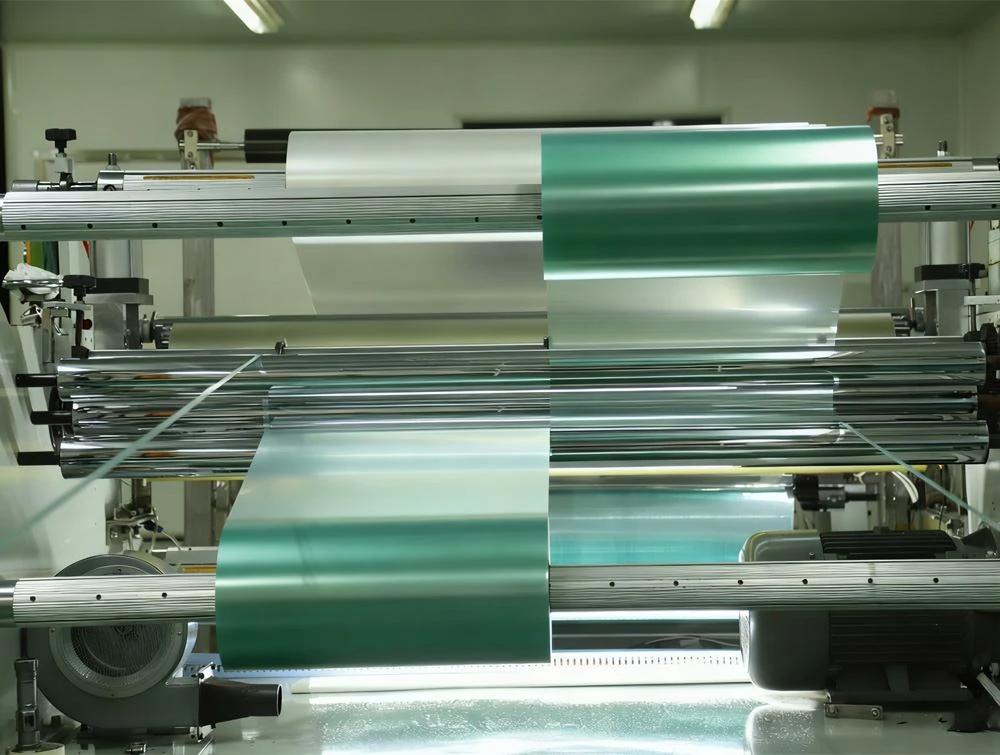
We remain committed to our philosophy of “Quality First, Innovation Driven,” continuously enhancing product performance and service excellence to empower customers in achieving optical and decorative excellence.
Frequently Asked Questions
What level of light transmittance does Kaixin acrylic film achieve?
Kaixin acrylic film provides light transmittance of over 91%, with excellent optical uniformity and a stable refractive index. It is suitable for display panels, light guide plates, lighting components, and other optical applications that require clear imaging and reliable visual performance.
What applications is optical grade acrylic film suitable for?
Optical grade acrylic film is suitable for nameplates, signages, functional panels, lighting applications, display interfaces, touch panels, and INS automotive interior decoration. It is designed for projects that require high transparency, surface clarity, printability, and forming compatibility.
What functional surface treatments can Kaixin provide for acrylic film?
Kaixin can provide functional surface treatments such as anti-glare (AG), anti-reflection (AR), anti-fingerprint (AF), hard coat (HC), and anti-scratch options. These treatments can improve readability, scratch resistance, surface cleanliness, and long-term usability according to application requirements.
Why is acrylic film suitable for automotive interior INS applications?
Acrylic film is suitable for INS automotive interior applications because it supports a multi-layer decorative structure, including a wear-resistant PMMA surface layer, a printable decorative layer, and a backing primer layer for bonding with injection molding resin. It also offers good thermoformability and compatibility with back-injection molding processes.
What processing methods are supported by Kaixin acrylic film?
Kaixin acrylic film supports multiple processing methods, including screen printing, offset printing, UV inkjet printing, precision cutting, die-cutting, laser cutting, heat bending, vacuum forming, compression molding, and back-injection molding. This gives customers more flexibility in optical, decorative, and formed component designs.
What thicknesses and dimensions of acrylic film can Kaixin provide?
Kaixin acrylic film is available in thicknesses from 0.075mm to 4.0mm, with standard options including 0.075mm, 0.25mm, 0.375mm, and 0.5mm. Roll materials can be supplied up to 1360mm in width and 300m in length for thicknesses up to 0.5mm, while sheet materials are available in a standard size of 1270mm × 1000mm. Custom dimensions can also be arranged.
Can acrylic film be customized for specific project requirements?
Yes. Acrylic film thickness, roll width, sheet size, surface treatment, texture, printing pattern, coating structure, and processing method can be customized according to customer requirements. For application-specific material selection, you can request a recommendation.
Request an Acrylic Film Recommendation
Planning an optical, decorative, lighting, or INS automotive interior application? Send us your required thickness, roll or sheet size, surface treatment, light transmittance or haze requirement, printing method, forming process, resin compatibility, and order quantity. Kaixin will help recommend a suitable acrylic film / PMMA film solution for sample evaluation or mass production.